


 Montenegrin
 English
 Русский
 Türkçe
 Deutsch
Buying an apartment in Montenegro without cash: the new rules that apply to everyone
Published · 3 min read
This article is more than four months old. Prices, rules and deadlines may have changed since it was published.
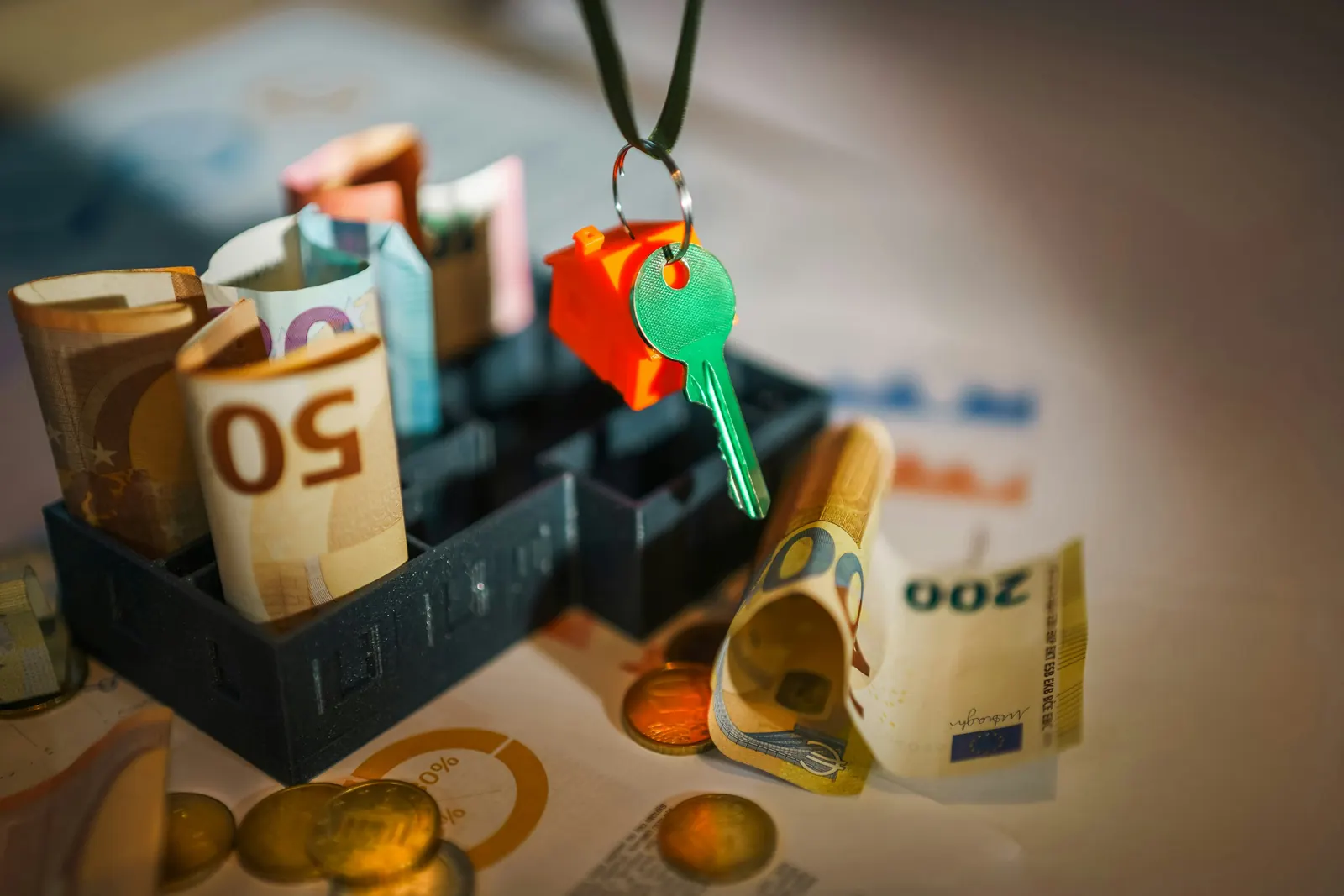
Since May 2026, paying for property in cash above 10,000 euros is no longer possible in Montenegro. The money has to pass through the banking system. What this means for buyers and sellers and how to prepare.
Until recently, a significant number of property transactions in Montenegro were done in cash. A briefcase or a supermarket bag with money, a contract certified by the notary, and the apartment changed owner. Since May 2026 that practice has been banned by law.
What has changed
In May 2026 Montenegro introduced a new rule that directly affects every property sale. All payments above 10,000 euros must be made through the banking system. Since practically every property in Montenegro costs more than that amount, the rule applies to almost all transactions.
In concrete terms, the money has to go from the buyer's account to the seller's account by bank transfer. Handing over cash directly between the two parties is no longer legally allowed. In addition, at least one party to the transaction must have an account in a Montenegrin bank.
Why this was introduced
The reason is alignment with European standards on preventing money laundering and the financing of terrorism. As a candidate for EU membership, Montenegro is obliged to implement European directives, and one of them directly bans cash payments above 10,000 euros in business dealings. The aim is to make financial flows more transparent and to reduce illegal transactions.
Put simply, the state wants to know where the money used to buy property comes from.
What this means for buyers
If you plan to buy an apartment in Montenegro, you need to have an account in a Montenegrin bank before you enter the transaction. Banks have their own conditions and procedure for opening accounts for non-residents, so it is advisable to sort this out in advance, not at the last minute when the contract is already signed.
You also have to be able to prove the origin of your funds. The bank will ask for documents showing where the money comes from, whether it is income from work, the sale of property or something else. This is nothing new in European banking, but it is new for many buyers who were used to buying property in Montenegro without such checks.
What this means for sellers
For sellers nothing complicated really changes, except that they receive the payment into an account and not in cash. However, it is important to know that a direct transfer between two foreign banks, for example from an account in Serbia straight to an account in Germany for an apartment in Montenegro, is no longer acceptable. At least one party must have an account in a Montenegrin bank through which the transaction passes.
Is this a problem or a benefit
For most legitimate buyers this should not be a problem at all. For anyone with clean money who can prove its origin, buying an apartment through a bank is the standard procedure across Europe.
What it does change is the atmosphere on the market. Montenegro is increasingly positioning itself as a regulated and transparent market, which in the long run attracts serious investors who want security and legal clarity.
If you plan to buy an apartment in Podgorica or on the coast and are not sure how to organise the financial side of the transaction, Horizon Real Estate can help you understand the whole process. Contact us on Instagram @horizonrealestate.me or visit horizonrealestate.me.
A Horizon agent values your property for free and answers all your questions.