


 Montenegrin
 English
 Русский
 Türkçe
 Deutsch
Ground floor, middle floors or top floor: pros and cons
Published · 3 min read
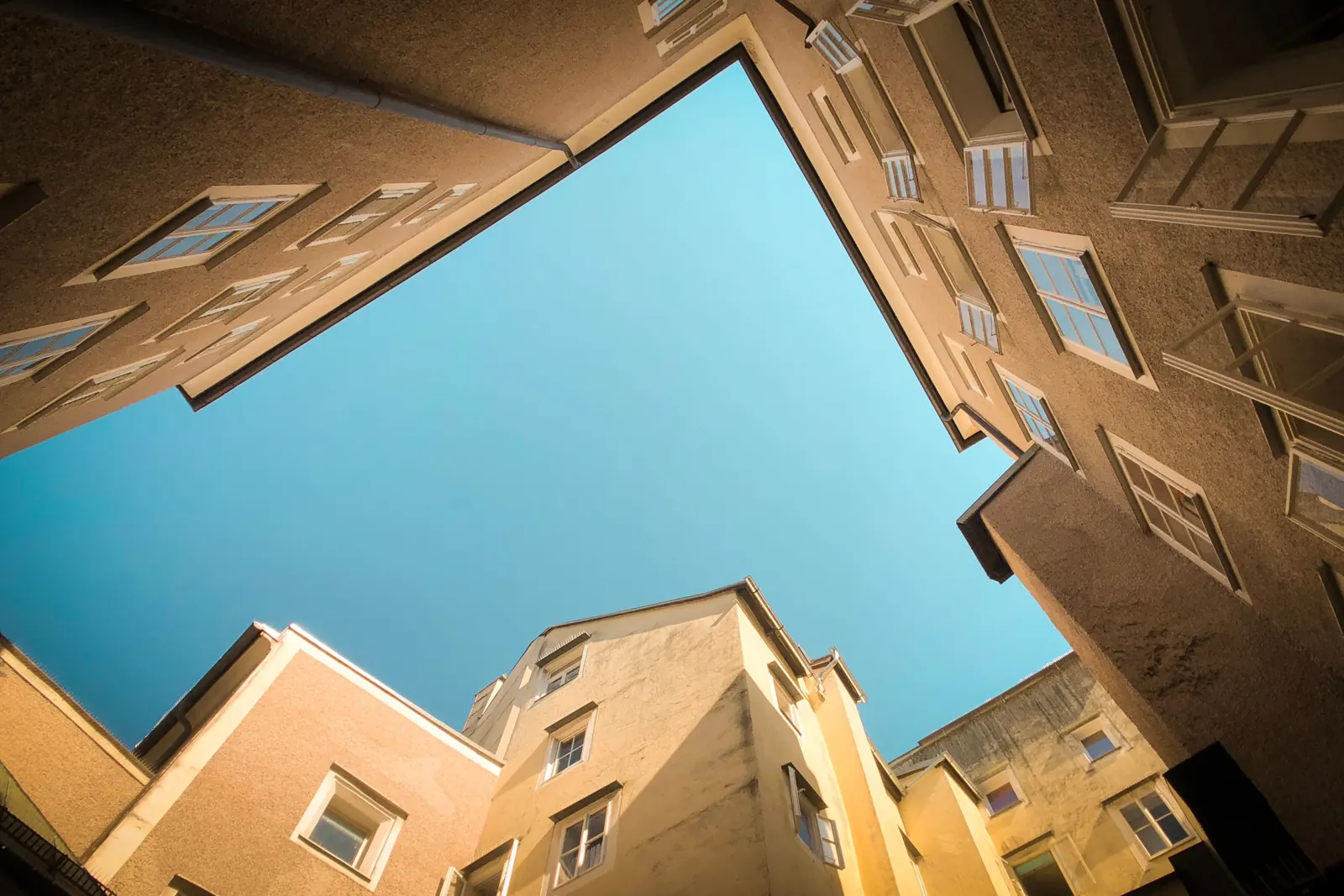
The floor is one of the first things a buyer asks about, and often the decisive one. The second floor is the most sought after, the top floor the most avoided, and the ground floor has situations in which it is the logical choice. Here is what each really brings.
When a buyer calls about an apartment, the questions come in the same order. Location, floor area, price, and almost immediately, which floor. The floor affects the price, the speed of the sale and how sought after the apartment will be when you resell it one day.
Second floor, the most sought after
In practice the second floor is by far the most sought after. The reason is balance. It is high enough to avoid views in from the street, dust and noise from the ground floor, and low enough to get in and out easily, even on foot when the lift stops. And it has none of the problems that top floors bring.
That is why apartments on the second and third floor sell fastest and rent most easily, and owners have the least reason to lower the price.
Top floor
Buyers most often avoid the top floor, and there are concrete reasons for that.
The first is the roof. Everything that happens with the roof is first felt in the apartment below it: leaks, damp, waterproofing. Even when everything is fine, the buyer knows it is a cost that will come one day.
The second is temperature. The top floor is hotter in summer and colder in winter, especially in older buildings with weaker insulation.
The third is the lift. If the lift stops or there is none, the difference between the second and the seventh floor is huge, and that is the first thing a buyer thinks of.
The fourth is attics. Attic apartments often have sloping walls, so the registered floor area does not match the space that can really be used. Furniture is harder to fit, wardrobes have to be made to measure, and the space feels smaller than the listing says.
Because of all this, the top floor as a rule goes for a lower price per square metre, which can be an opportunity for the right buyer.
Ground floor, not the worst and not for everyone
The ground floor is also not most people's first choice, mainly because of privacy, street noise and a feeling of exposure.
But there are situations in which the ground floor is a logical and practical choice. Getting in and out is fastest, with no lift and no stairs, which means a lot to older people, families with prams and anyone who carries things every day. Moving in and furnishing is considerably easier and cheaper, because furniture and appliances go straight in, with no carrying up stairs and no booking a truck with a hoist. A ground floor often comes with a yard or a terrace, a big plus for someone who wants a little outdoor space of their own.
In addition, the ground floor is the most suitable for business use or later conversion, depending on the location and the building.
What this means for you
If you are buying for yourself, choose the floor according to how you live, not according to what is popular.
If you are buying as an investment or plan to resell, the second and third floors are the safest choice because they are the easiest to sell and rent.
If you are looking for a lower price, the top floor and the ground floor leave room to negotiate. Just check the condition of the roof and insulation for a top floor, and damp and privacy for a ground floor, before buying.
If you are not sure what the right choice is for your needs and budget, our agents are here to help you compare concrete options on the market. Contact us on Instagram @horizonrealestate.me or visit horizonrealestate.me.
Author: Marko Ražnatović, Horizon Real Estate
A Horizon agent values your property for free and answers all your questions.